How to Grow and Harvest Yalla Choy at Home

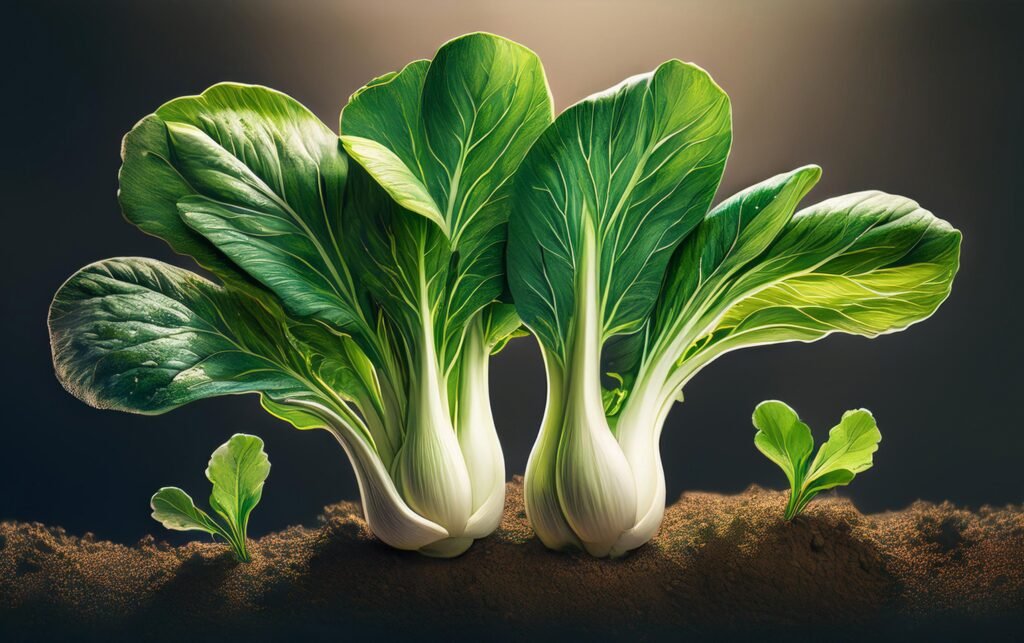
Growing Yalla Choy at home is an excellent way to enjoy a continuous supply of fresh, flavorful, and nutritious greens. By providing fertile soil, adequate sunlight, consistent moisture, and proper care, gardeners can achieve strong plant growth and abundant harvests. Whether grown in garden beds, raised planters, or containers, Yalla Choy remains one of the most rewarding leafy vegetables for home cultivation. With regular harvesting and good gardening practices, a single planting can provide fresh greens for weeks, making it a valuable addition to any home garden.
Understanding Yalla Choy
Yalla Choy belongs to the group of Asian leafy vegetables known for their tender stems and vibrant green leaves. It grows quickly, adapts well to different growing conditions, and can be harvested multiple times before the season ends. Its mild flavor makes it suitable for salads, soups, stir-fries, and many other homemade dishes.
Home gardeners appreciate Yalla Choy because it requires minimal maintenance while producing generous harvests. The plant performs particularly well during cool weather and can be grown successfully in spring and autumn.
Best Conditions for Growing Yalla Choy
Creating the right environment is essential for strong plant development and abundant yields.
Sunlight Requirements
Yalla Choy thrives when it receives sufficient sunlight each day. Ideally, plants should be placed in an area that receives between four and six hours of direct sunlight. In regions with hot summers, partial afternoon shade helps prevent stress and keeps leaves tender.
Ideal Soil Conditions
Healthy soil is the foundation of successful vegetable gardening. Yalla Choy grows best in loose, fertile soil that drains well while retaining adequate moisture.
The ideal soil should:
- Be rich in organic matter
- Have a pH level between 6.0 and 7.0
- Drain excess water efficiently
- Remain consistently moist without becoming soggy
Adding compost before planting significantly improves soil fertility and supports healthy root growth.
Preparing the Garden Bed
Proper soil preparation gives young plants the best possible start.
Begin by removing weeds, stones, and plant debris from the growing area. Loosen the soil to a depth of at least 8 to 10 inches and mix in generous amounts of compost or aged organic matter.
This preparation improves:
- Soil structure
- Nutrient availability
- Water retention
- Root penetration
A well-prepared garden bed encourages rapid growth and higher productivity throughout the season.
How to Plant Yalla Choy Seeds
Growing Yalla Choy from seed is simple and cost-effective.
Direct Sowing
Seeds can be planted directly into the garden once the soil becomes workable.
Follow these steps:
- Create shallow rows approximately one-quarter inch deep.
- Sow seeds evenly along the row.
- Cover lightly with soil.
- Water gently to maintain moisture.
- Keep the soil consistently damp until germination.
Most seeds emerge within one week under favorable conditions.
Starting Seeds Indoors
Gardeners who want an earlier harvest can start seeds indoors several weeks before the last expected frost.
Use seed trays filled with quality seed-starting mix and place them in a bright location. Once seedlings develop several true leaves, they can be transplanted outdoors.
Proper Plant Spacing
Spacing plays an important role in plant health and productivity.
Recommended spacing includes:
- 4 inches apart for baby greens
- 6 to 8 inches apart for medium-sized plants
- 10 to 12 inches apart for mature plants
Good spacing allows air circulation, reduces disease risk, and helps plants develop larger leaves.
Watering Techniques for Healthy Growth
Consistent watering is one of the most important factors in growing quality Yalla Choy.
The soil should remain evenly moist throughout the growing season. Deep watering encourages strong root development and improves plant resilience.
Watering Tips
- Water early in the morning.
- Avoid wetting leaves whenever possible.
- Increase watering during hot weather.
- Reduce watering during extended rainy periods.
Applying mulch around plants helps conserve moisture and minimize weed growth.
Fertilizing Yalla Choy for Better Harvests
Leafy vegetables require regular nutrients to maintain vigorous growth.
Organic fertilizers are often the best choice because they release nutrients gradually and improve overall soil health.
Excellent fertilizer options include:
- Compost tea
- Fish emulsion
- Worm castings
- Balanced organic vegetable fertilizer
Applying nutrients every two to three weeks can significantly increase leaf production.
Common Pests and How to Control Them
Although Yalla Choy is generally easy to grow, several common pests may occasionally appear.
Aphids
These small insects gather on stems and leaves, feeding on plant sap.
Control methods include:
- Spraying plants with water
- Applying insecticidal soap
- Encouraging beneficial insects
Flea Beetles
Flea beetles create tiny holes throughout leaves and can reduce plant quality.
Prevention strategies include:
- Using floating row covers
- Removing weeds
- Monitoring plants regularly
Caterpillars
Leaf-eating caterpillars can quickly damage young plants.
Hand-picking pests and inspecting leaves frequently can prevent serious infestations.
Preventing Plant Diseases
Most diseases can be avoided through proper garden management.
Common problems include fungal infections, leaf spots, and root diseases caused by excessive moisture.
To reduce disease risk:
- Maintain proper spacing.
- Improve air circulation.
- Water at soil level.
- Remove damaged foliage promptly.
- Rotate crops each season.
Healthy plants are naturally more resistant to disease and environmental stress.
Growing Yalla Choy in Containers
Container gardening offers an excellent solution for gardeners with limited space.
Choose containers that are at least 10 inches deep and provide adequate drainage.
Fill containers with high-quality potting mix enriched with compost. Because container soil dries out faster than garden soil, regular watering is essential.
Container-grown plants often perform exceptionally well when provided with consistent moisture and periodic feeding.
Companion Plants for Yalla Choy
Certain plants can improve garden health and help deter pests.
Suitable companion plants include:
- Garlic
- Onions
- Dill
- Marigolds
- Nasturtiums
These companions can contribute to a healthier growing environment while maximizing available garden space.
When to Harvest Yalla Choy
Harvest timing influences both flavor and texture.
Harvesting Young Leaves
Young leaves can be harvested approximately three to four weeks after planting.
At this stage, leaves are:
- Tender
- Mild in flavor
- Perfect for salads
Harvesting Mature Plants
Most mature plants reach harvest size within 40 to 60 days.
Leaves should be collected before plants begin flowering, as flowering can reduce quality and flavor.
Best Harvesting Methods
Proper harvesting encourages continued growth and extended production.
Selective Harvesting
Remove outer leaves first while allowing the center of the plant to continue growing.
This method provides multiple harvests from a single planting and extends the productive period significantly.
Full Plant Harvest
For larger harvests, cut the entire plant approximately one inch above the soil surface.
In many cases, new shoots will emerge and produce additional harvests.
Storing Freshly Harvested Yalla Choy
Proper storage preserves freshness and quality.
After harvesting:
- Rinse leaves thoroughly.
- Remove excess moisture.
- Store in the refrigerator.
- Use breathable storage containers or bags.
Fresh Yalla Choy generally remains in good condition for up to one week when stored properly.
Tips for Maximum Production
Gardeners seeking higher yields should follow several proven practices:
- Sow seeds every few weeks for continuous harvests.
- Improve soil annually with compost.
- Water consistently.
- Harvest regularly.
- Monitor pests frequently.
- Apply organic fertilizer throughout the season.
- Protect plants from extreme temperatures.
These simple techniques can dramatically increase productivity and improve overall plant health.
Conclusion
Growing Yalla Choy at home is an excellent way to enjoy a continuous supply of fresh, flavorful, and nutritious greens. By providing fertile soil, adequate sunlight, consistent moisture, and proper care, gardeners can achieve strong plant growth and abundant harvests. Whether grown in garden beds, raised planters, or containers, Yalla Choy remains one of the most rewarding leafy vegetables for home cultivation. With regular harvesting and good gardening practices, a single planting can provide fresh greens for weeks, making it a valuable addition to any home garden.



Responses