NorthShoreTimingOnline Fashion Archives: Vintage Fashion Trends, Style History, and Archive Guide

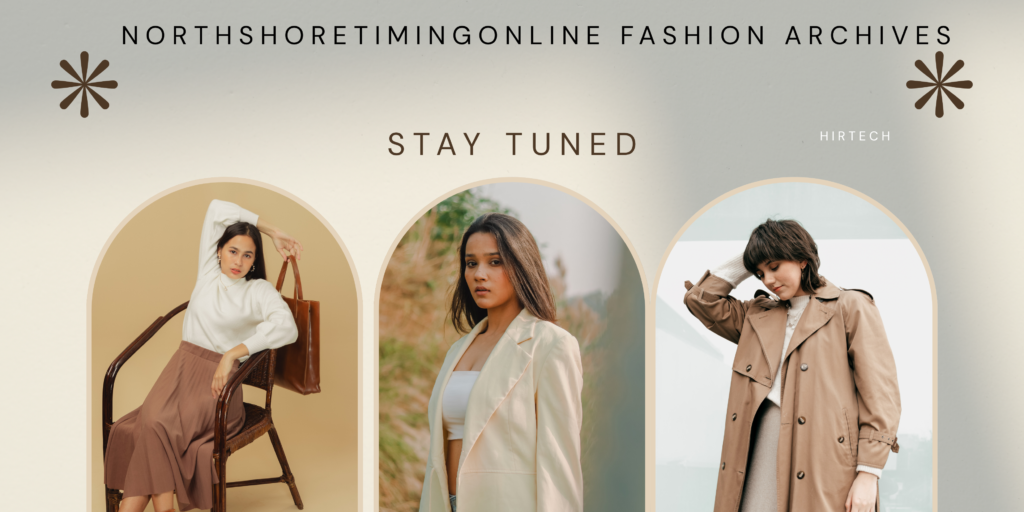
The Fashion World Forgets Too Fast — Here Is Why That Is a Problem
Research shows that the average fashion trend cycle has shrunk from 20 years to less than 3 years in the last two decades. That means styles are coming and going faster than most people can track. What was fresh last spring is already forgotten by fall. What was once considered classic gets buried under an avalanche of new content every single day.
This speed creates a real problem. When fashion moves this fast, context gets lost. Credit for original styles disappears. Designers repeat ideas without knowing they already existed. Consumers buy into trends that have no roots, no story, and no staying power. The result is a fashion culture that feels increasingly shallow and disconnected.
That is exactly where the Northshoretimingonline Fashion Archives steps in. It is not just another fashion blog or a social media feed dressed up as a resource. It is a structured, searchable, and continuously growing record of fashion history that gives real context to the styles people wear today. This article will show you what makes it different, who it serves, and why it deserves a regular spot in your fashion research routine.
What Makes the Northshoretimingonline Fashion Archives Different from Everything Else Online
Most fashion content online is built for clicks. Headlines are designed to grab attention. Articles are thin on facts and heavy on opinions. Trend reports last about two weeks before they are replaced by something newer. Very little of it builds lasting value.
The Northshoretimingonline Fashion Archives was built with a different purpose. It was created to be a long-term record, not a short-term traffic grab. Every entry in the archive is written with depth and accuracy in mind. The goal is not to be the loudest voice in fashion media. The goal is to be the most reliable one.
What separates this archive from a standard fashion website is structure. The content is organized so that someone researching a specific decade, designer, or clothing category can find exactly what they need without wading through irrelevant material. That kind of organization takes real effort to build and maintain, and it is something most fashion platforms simply do not do.
A Closer Look at How the Archive Is Built and Organized
The architecture of the Northshoretimingonline Fashion Archives is one of its strongest features. It is not a random pile of fashion articles. It is a carefully organized system that allows users to explore fashion history in multiple ways depending on what they need.
Organized by Time Period
The archive divides fashion history into distinct time periods. Each era gets its own dedicated section that covers dominant styles, cultural influences, key designers, signature fabrics, popular colors, and the social events that shaped what people wore. This gives users a complete picture of any given fashion moment rather than a surface-level summary.
Organized by Fashion Category
Users can also browse by clothing category. Formal wear, casual wear, athletic wear, outerwear, accessories — each category has its own archive thread that traces the evolution of that clothing type across decades. This is especially useful for designers and stylists who need category-specific research.
Organized by Cultural Movement
Fashion does not exist in a vacuum. The archive recognizes this by organizing some content around cultural movements. The civil rights movement shaped fashion. The feminist movement shaped fashion. Music genres like punk, hip-hop, and grunge all left permanent marks on clothing culture. The archive documents these connections clearly.
[External Link Suggestion: Anchor text — “cultural history of fashion” — link to the Smithsonian’s fashion history page at americanhistory.si.edu/collections/subjects/clothing-fashion for added academic credibility.]
The Stories Behind the Styles: What the Archive Actually Contains
Every fashion trend has a story. Most people only see the surface of that story — the runway photos, the magazine spreads, the celebrity outfits. The Northshoretimingonline Fashion Archives goes several layers deeper than that surface level.
The Origin Story
Every trend documented in the archive includes a section on its origins. Where did this style come from? Who wore it first? What social or economic conditions made it possible? These origin stories are often surprising. Many styles that are now associated with luxury fashion started in working-class or countercultural communities.
The Peak Moment
The archive documents the moment when each trend reached its highest point of popularity. This is not always the same as its mainstream moment. A trend can peak in underground fashion circles years before it reaches department stores. The archive tracks both timelines.
The Decline and Return
Most trends do not die permanently. They fade and then return in a modified form. The archive tracks these cycles and explains what changes when a trend comes back. Understanding this cycle helps fashion professionals make better predictions and helps consumers make smarter purchases.
The Current Status
For every documented trend, the archive includes a current status update. Is this trend dormant? Is it actively being revived? Is it a permanent fixture in fashion culture? This real-time relevance makes the archive a living document rather than a dusty historical record.
Why Fashion Professionals Rely on the Archive for Their Work
Fashion is a competitive industry. The professionals who succeed in it are not just creative. They are also well-informed. They know their history. They understand context. They can tell the difference between a trend with legs and a passing fad, and they use that knowledge to make better decisions.
The Northshoretimingonline Fashion Archives has become a go-to resource for several types of fashion professionals because it delivers that kind of informed perspective efficiently.
Costume Designers
Film and television costume designers need accurate historical fashion references constantly. A period drama set in the 1940s requires precise knowledge of what people actually wore during that era, not just a vague impression. The archive provides detailed, verified records that help costume designers create authentic looks.
Retail Buyers
Retail buyers decide what ends up on store shelves months in advance. They need to predict what consumers will want before consumers know they want it. Studying historical trend cycles in the archive gives buyers a data-informed perspective that complements their gut instincts.
Trend Forecasters
Trend forecasting is essentially the business of predicting fashion’s future by studying its past. The archive is a direct tool for this work. It provides the historical data that forecasters use to build their models and make their predictions.
Fashion Educators
Teachers who work in fashion programs at colleges and design schools need reliable, organized content that they can assign to students. The archive fills that role well because its content is accurate, clearly written, and easy to reference.
How the Archive Serves People Who Are Not Fashion Professionals
You do not have to work in fashion to get real value from the Northshoretimingonline Fashion Archives. In fact, some of the most enthusiastic users of the archive are people who simply love clothes and want to understand them better.
Vintage Shoppers and Collectors
If you shop vintage, the archive is an invaluable tool. Knowing the history of a specific style or garment helps you identify authentic pieces, understand their value, and appreciate what makes them special. The archive gives vintage shoppers a knowledge base that most resellers and collectors spend years building on their own.
Personal Style Builders
Many people struggle to define their personal style because they do not have the language or the reference points to articulate what they like. The archive solves this by giving you a visual and written vocabulary for different style aesthetics. Once you can name what you are drawn to, building a wardrobe around it becomes much easier.
Curious Learners
Some people use the archive simply because fashion history is genuinely interesting. The connections between clothing and politics, between style and social change, between fashion and economics — these are fascinating subjects. The archive presents them in a way that is engaging without being academic or inaccessible.
The Specific Fashion Eras That Get the Deepest Coverage
While the archive covers fashion across all modern eras, some time periods receive particularly detailed coverage because of their outsized influence on fashion today. These are the eras that designers, stylists, and trend forecasters return to most often.
The 1950s: Structure and Femininity
Post-war fashion in the 1950s was defined by a strong return to structured silhouettes. Full skirts, nipped waists, and tailored jackets dominated the era. The archive covers this period in detail, including the role of Christian Dior’s “New Look” in reshaping women’s fashion after World War Two. It also documents how 1950s style continues to influence fashion today, from rockabilly subcultures to contemporary feminine fashion.
The 1970s: Freedom and Experimentation
The 1970s were one of the most diverse decades in fashion history. Platform shoes, wide-leg pants, peasant blouses, and disco-era glamour all coexisted during this period. The archive traces the competing influences that shaped 1970s fashion, including the women’s liberation movement, the counterculture, and the rise of disco culture.
The 1990s: Minimalism Meets Grunge
Two completely opposite aesthetics defined the 1990s, and both left a massive legacy. Minimalism, driven by designers like Calvin Klein and Jil Sander, stripped fashion down to its essentials. Grunge, emerging from Seattle’s music scene, brought flannel, ripped denim, and deliberate anti-fashion into the mainstream. The archive documents both movements and shows how they continue to shape contemporary fashion.
The Early 2000s: Y2K Aesthetics
The fashion of the early 2000s has experienced one of the most dramatic revivals in recent memory. Low-rise jeans, butterfly clips, velour tracksuits, and logo-heavy clothing — all of it came back with force in the 2020s. The archive provides the historical context for this revival, showing why Y2K aesthetics resonated so strongly with a generation that was too young to experience them the first time.
Fashion Archive Research: A Practical Process You Can Follow
Using an archive well is a skill. Many people open an archive, get overwhelmed by the amount of content available, and leave without finding what they needed. Here is a practical process for using the Northshoretimingonline Fashion Archives effectively.
Start with a Clear Question
Before you open the archive, know what you are looking for. “I want to learn about fashion” is too broad. “I want to understand how denim went from workwear to luxury fashion” is a question the archive can answer directly. Starting with a specific question makes the search process much more productive.
Use the Search Function First
The archive’s search tool is the fastest way to find relevant content. Type in your specific terms and scan the results before clicking anything. Look at the titles and descriptions to identify the entries most likely to answer your question.
Read One Entry Completely Before Moving On
It is tempting to open multiple tabs and skim everything. Resist that temptation. Read one archive entry fully before moving to the next. Each entry is written to give you a complete picture of a specific topic, and skimming misses the context that makes the information useful.
Follow the Related Content Links
At the end of every archive entry, there are links to related content. These connections are built intentionally. Following them takes you deeper into a topic in a logical, progressive way. Some of the best discoveries in the archive happen when you follow a related link that you did not expect to find useful.
Fashion Archives and the Sustainable Wardrobe Connection
Sustainable fashion has become one of the most important conversations in the clothing industry. The pressure on consumers to buy less, buy better, and make more conscious wardrobe choices is growing every year. Fashion archives play a direct role in supporting that shift.
When you understand the history of a style or a garment, you make better purchasing decisions. You can see which styles have demonstrated staying power over decades and which ones were only ever meant to last a season. That knowledge changes how you shop. Instead of buying into every new trend, you start investing in pieces with real history and real longevity.
The archive also supports the growing secondhand and resale market. Consumers who know their fashion history are better equipped to shop vintage. They can spot quality, identify authentic pieces from specific eras, and understand why certain garments hold their value over time. The Northshoretimingonline Fashion Archives gives those consumers the knowledge they need to shop with confidence.
The Connection Between Fashion Archives and Street Style Documentation
High fashion gets a lot of attention in fashion archives. Runway collections, designer retrospectives, and couture history are all well-documented across multiple platforms. But street style — the fashion that real people create and wear in cities around the world — has historically been underrepresented in formal archives.
The Northshoretimingonline Fashion Archives addresses this gap directly. It includes documentation of street style movements alongside its high fashion records. This is important because street style has driven some of the most significant shifts in fashion over the last century. Hip-hop fashion, skateboard culture, workwear aesthetics, and dozens of other influential style movements started on the street, not on the runway.
By documenting street style with the same level of detail as high fashion, the archive creates a more complete and more honest picture of how fashion actually works. Trends do not always flow from designers down to consumers. Often they flow from communities up to designers, and the archive captures both directions of that movement.
How Regular Updates Keep the Archive Relevant and Reliable
An archive that stops growing eventually becomes obsolete. Fashion moves forward constantly, and a resource that only documents the past without acknowledging the present loses its relevance over time. The Northshoretimingonline Fashion Archives is designed to grow continuously.
New entries are added on a regular schedule. Current trends get documented as they develop, not after they have already passed. This means the archive serves as both a historical record and a current reference tool. When a new trend emerges, it gets added to the archive with full documentation of its origins, its influences, and its early trajectory.
Existing entries are also updated when new information becomes available. Fashion history is not always settled. New research, newly discovered images, or revised historical perspectives can change how we understand a specific trend or era. When that happens, the archive reflects the update rather than preserving an outdated version of events.
Building a Personal Fashion Reference System Using the Archive
One of the most practical applications of the Northshoretimingonline Fashion Archives is building your own personal fashion reference system. This is something that professional stylists and designers do as a matter of course, but it is equally useful for anyone who takes their personal style seriously.
A personal fashion reference system is simply a curated collection of images, articles, and notes that reflect your style interests and inform your wardrobe decisions. The archive gives you high-quality, well-organized material to build that system with.
Start by identifying three or four style eras or movements that appeal to you. Find the relevant archive entries and read them fully. Save the entries that resonate most strongly. Note which specific elements — silhouettes, colors, fabrics, proportions — you are most drawn to. Over time, you will build a clear picture of your personal style DNA that goes far beyond a simple Pinterest board.
Why the Northshoretimingonline Fashion Archives Matters for the Next Generation of Fashion Leaders
The fashion industry needs people who understand its history. Too many aspiring designers, stylists, and fashion entrepreneurs enter the industry knowing only what is happening right now. That narrow focus limits their creativity and their ability to create work that lasts.
Archives like the one built by Northshoretimingonline give the next generation of fashion leaders access to the deep history they need. A young designer who understands why the Balenciaga silhouette of the 1950s was revolutionary will create more thoughtful work than one who does not. A young buyer who knows the full history of denim will make smarter inventory decisions than one who only tracks current sales data.
Fashion education is not just what happens in design school. It is the ongoing, self-directed learning that separates the professionals who build lasting careers from those who burn out after a few seasons. The archive supports that lifelong learning process in a way that is practical, accessible, and genuinely engaging.
Conclusion: Stop Scrolling and Start Researching
Fashion without history is just noise. There is an enormous amount of fashion content online, but very little of it gives you something that lasts longer than the time it takes to scroll past it. The Northshoretimingonline Fashion Archives is different because it was built to last and built to inform.
Whether you are a professional working in the fashion industry or someone who simply wants to dress with more intention and knowledge, the archive offers something concrete and valuable. It replaces guesswork with research. It replaces trends with context. It replaces fleeting content with permanent records that you can return to again and again.
The best fashion decisions — whether you are designing a collection, building a wardrobe, or writing about style — are informed by history. The Northshoretimingonline Fashion Archives gives you that history in a format that is organized, readable, and genuinely useful.


Responses